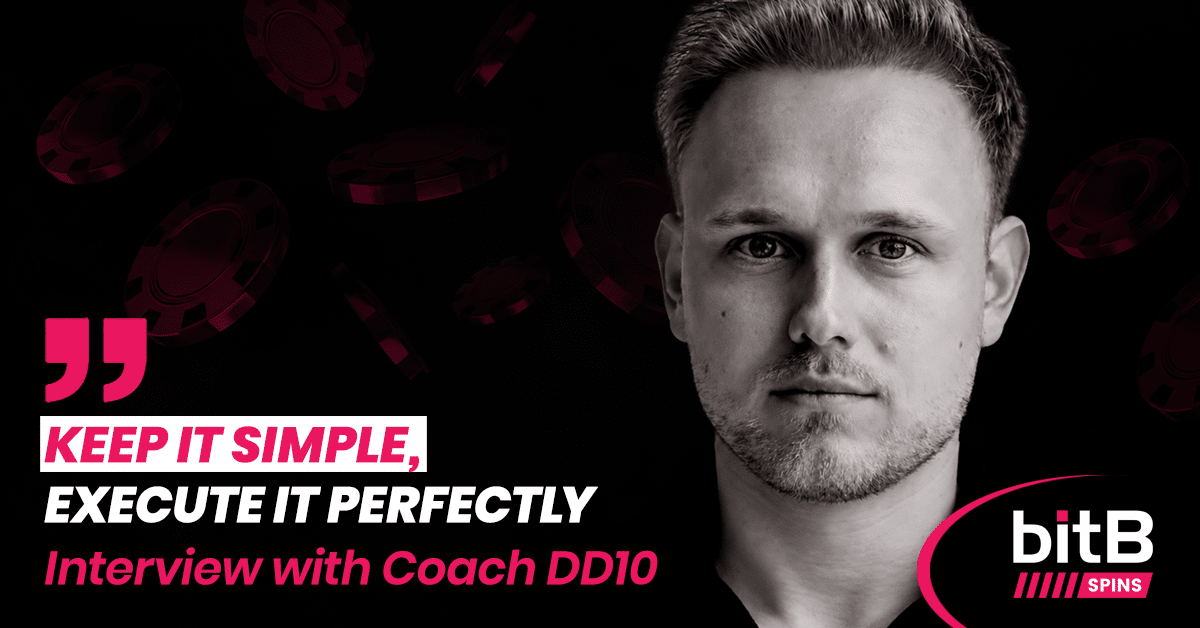
Keep It Simple, Execute It Perfectly: Interview with Coach DD10
 Updated: 26 Oct 2026
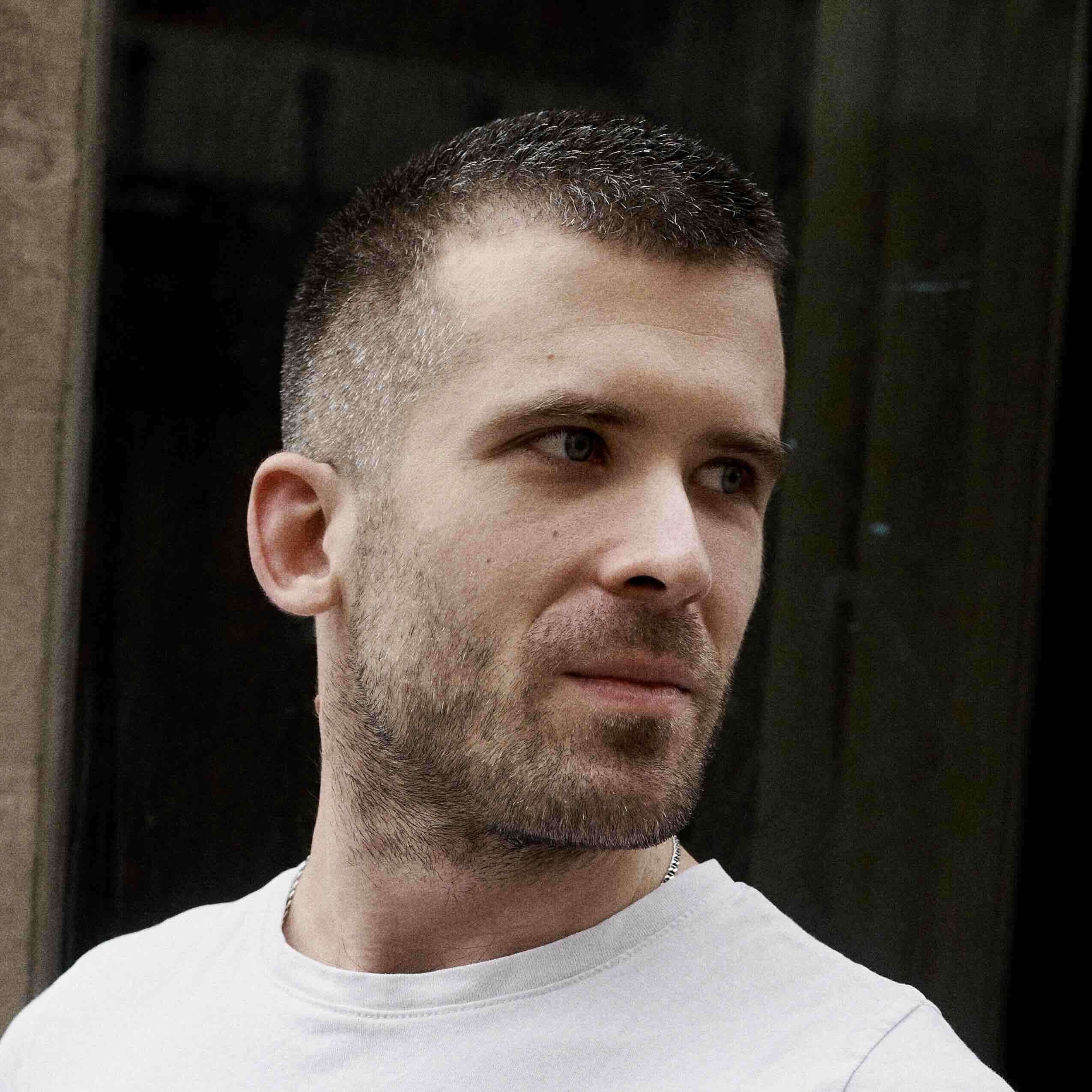
When players start losing to regs, most of them reach for more complexity: deeper solver work, fancier lines, rarer spots. bitB Spins Vs Reg Coach DD10 takes the opposite view. After seven years of Spin & Go across all major sites, much of it spent in regwars, he now helps our players turn GTO theory into exploitative poker they can actually execute at the tables. In this interview, he talks about where GTO study goes wrong, what a session with him looks like, and how a late start in ice hockey shaped the way he coaches.
Your specialty is turning GTO into practical heuristics. Where do most players go wrong when they study GTO?
When players start studying GTO, they tend to confuse themselves at the beginning. You need to understand that GTO is not the most profitable way to play. The solver plays the way it does so that it can’t be exploited. For example, in spots where the population doesn’t bluff enough, almost every bluffcatcher loses a lot of its EV. But players love to justify themselves: they check a hand in the solver, see that it calls, and think, “Okay, I made the right call, just a bad runout.” I used to do this a lot myself, years ago.
First and foremost, you need to know what you’re up against, and who you’re up against. GTO is a very good starting point for understanding the fundamentals of the game and the ranges. But then you need to know whether you should deviate from it, how much, and in which direction.
The other place players go wrong is that they study a certain node or street without knowing why it happens, how to continue from there, or what the logic behind it is. Then a situation comes up that’s unfamiliar and uncomfortable, and they can barely find the right move after that.
Walk us through a typical session with you. What does a player bring, and what do they leave with?
Now that we have LeakFinder, the player shares their code with me, and I can see their HUD and hand histories in less than a minute. In a first session, we go through the HUD in every position. Where there are big deviations or major leaks, we go through specific hands, and I explain why a play is right or wrong, what happens if you change it, which stats correlate with each other, and so on.
I don’t like getting lost in tiny details the first time, especially when there are a lot of leaks. When players try to fix everything at once, it often ends up messier than before.
I definitely don’t want anyone to become a GTO nerd. It’s much more important to understand the game and the reasons behind every decision. If someone can explain a decision, whether it’s theoretically right or wrong, there’s a thought process behind it, and if that process makes sense, it’s probably a good way to play. But when the logic behind an explanation is wrong, it’s much better to fix the thought process itself, because that affects every decision connected to it.
That’s why I ask a lot of questions. I’m very curious about how players think in game.
What’s the most common leak you see in players who struggle against regulars?
Many players overcomplicate things when they face regs. They don’t dig deep enough into specific reg profiles, and ego can come forward really fast. When you play against a lot of regs, what you need is a solid strategy that isn’t too complicated, and to be very sharp mentally.
You also need to pay attention to the dynamics of your tables and, when possible, prepare for the player you’ll be up against. A few flashcards per player can help: a few words on what to watch for when you’re playing a certain opponent.
Players also overplay their hands quite often. Because the hand looked decent preflop or on the flop, they can’t let it go.
Another mistake: after a bad session, players tend to review only the biggest pots, usually the 3-barrel spots, either firing them or facing them. Those situations don’t come up nearly as often as a simple flop c-bet, a check-raise opportunity or a preflop decision. The frequent spots have a much bigger impact on your results, simply because they happen so much more often.
How do you know a student is genuinely improving, when variance can hide progress for so long?
I keep notes on every player I work with, along with data on their previous stats and leaks, so when we go through them again, I can see whether someone has made progress. I also ask players how the new things they’ve implemented in their strategy are working out for them.
When a player gets enthusiastic about trying new things and getting better against regs, they start asking more questions. That’s a sign of improvement too, especially when their thinking process improves along with it.
We also have good filters for this. They don’t remove variance, but they let us quickly go through the hands that have the biggest impact on EV.
You’ve got seven years of competitive ice hockey and a decade of CrossFit behind you. What carries over from that into how you coach, especially for the mental grind of regwars?
Unfortunately, I started playing ice hockey too late, so I had a lot to catch up on. Most players start skating when they’re three, four or five years old. I couldn’t skate when I was 11.
When I made the roster, it wasn’t because I was technically gifted or outstanding. It was always because of the extra work. I used to wake up before school to practice stickhandling and shooting, I took extra skating classes after school, and I worked with mental coaches as well.
In training, it was never about pulling off the fanciest move on the ice or making the sickest pass of all time. It was about working hard, keeping it simple, and executing the most important things as perfectly as you can.
Poker is very similar. It’s not about check-raising a super-delayed c-bet out of position, or other rare spots like that. It’s about being sharp and solid in the spots that come up most often.
DD10 works with bitB Spins players on their own hands, inside LeakFinder, with a focus on the spots that decide results against regs. That’s how coaching works across the team: we assess your game first, then match you with the coach your game needs. SEE HOW OUR SPIN & GO COACHING WORKS